

Packt Publishing / Enterprise design system
From brand language to working system.
A reusable design system and front-end foundation connecting a new corporate identity to consistent, practical application delivery.
Inspect the system- Client
- Packt Publishing
- Duration
- 4½ months
- Role
- Senior Product Designer & Front-end Developer
- Delivery
- Design system, documentation and production HTML/CSS
System problem
Consistency could not stop at the interface.
Packt needed more than a redesigned screen. Future applications required a common visual language, reusable components and implementation guidance that developers could apply consistently.
The central decision was to treat documentation and code as parts of the product system, not as material attached after a component gallery was complete.
System anatomy
Five layers. One delivery chain.
Each layer supports the next. The system remains useful because design decisions can be traced from foundation through implementation.
System foundations
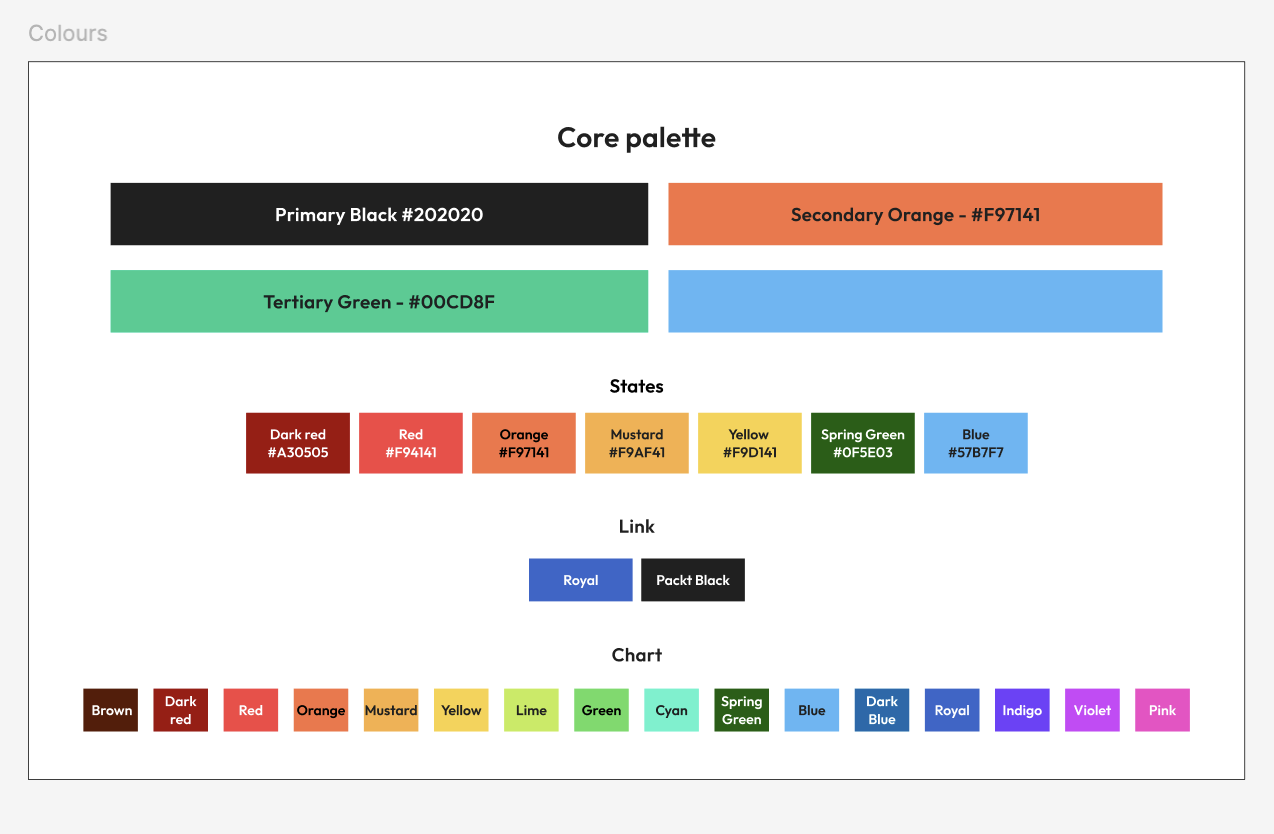
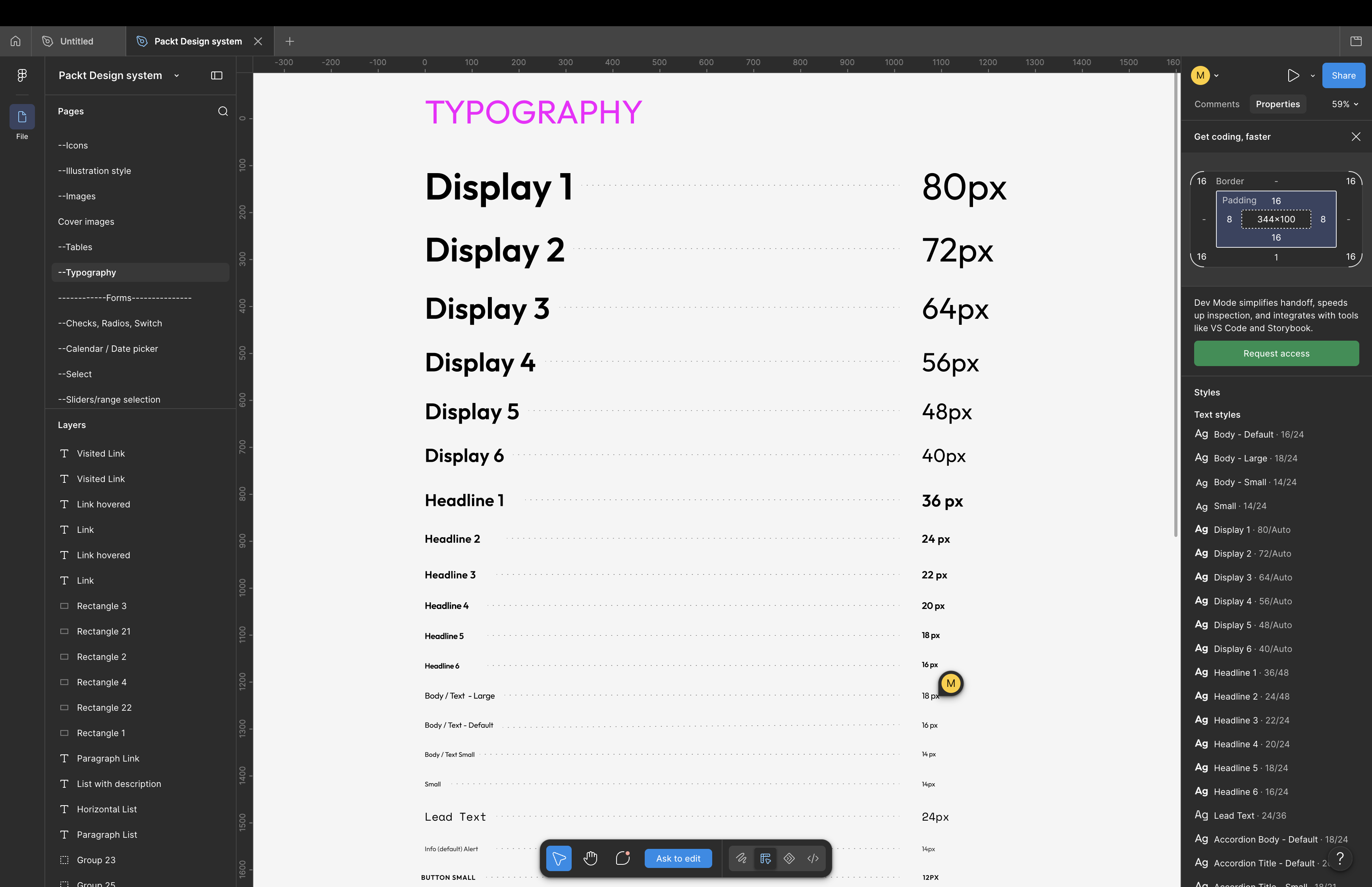
Brand rules became interface rules.
Colour and typography were translated into reusable foundations so product teams could work from the same visual language rather than reproduce the brand screen by screen.
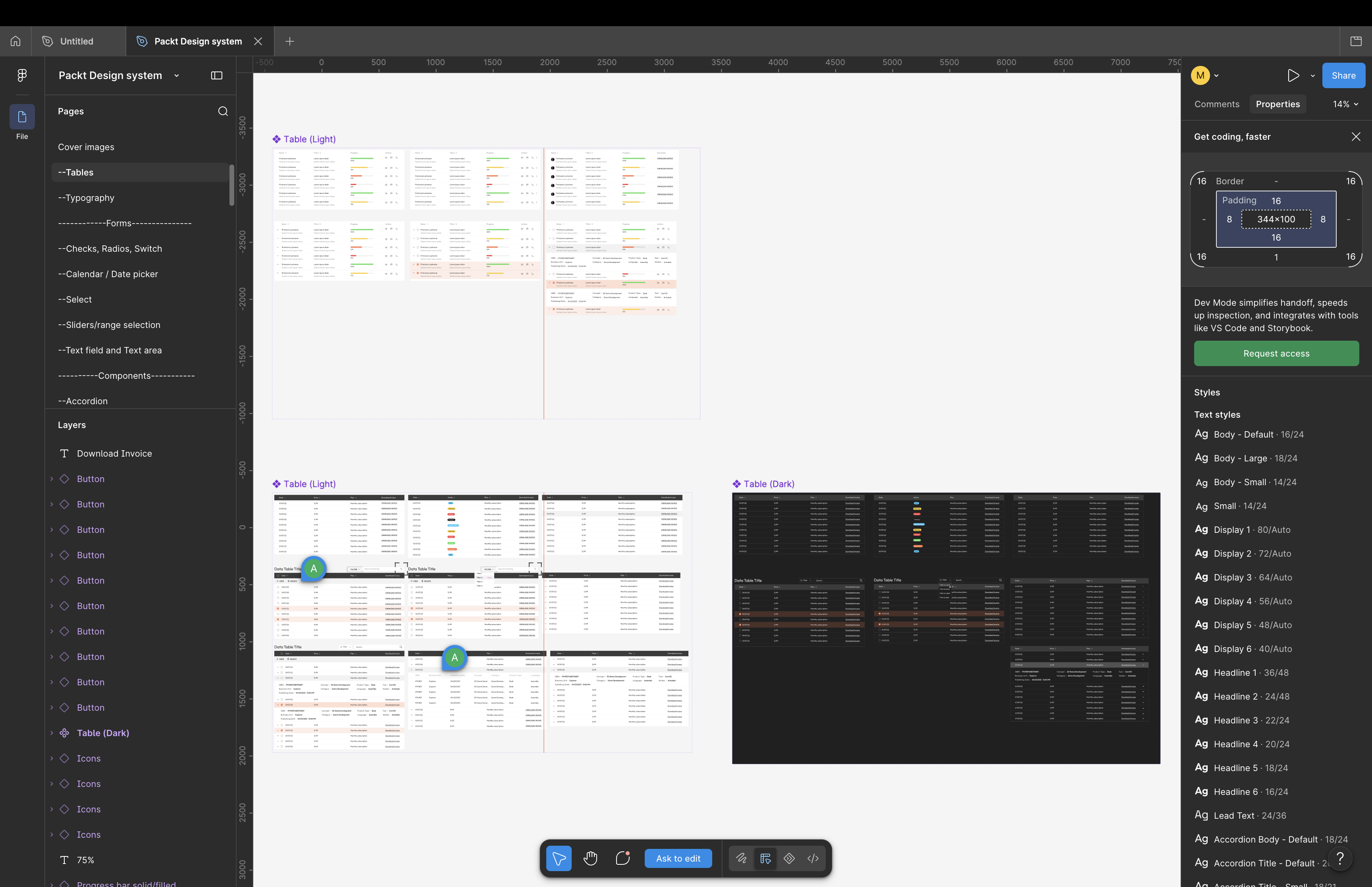
Component system
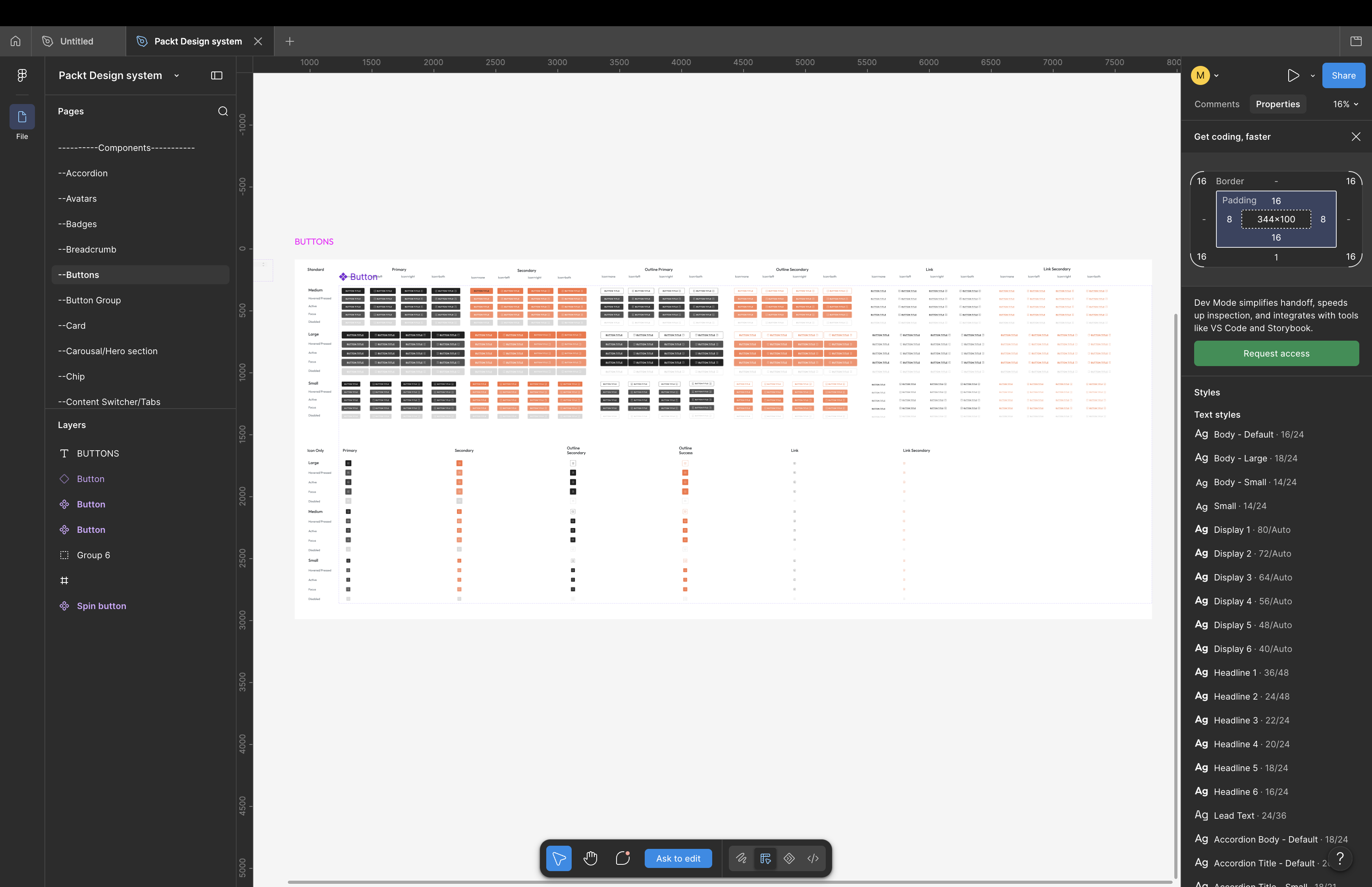
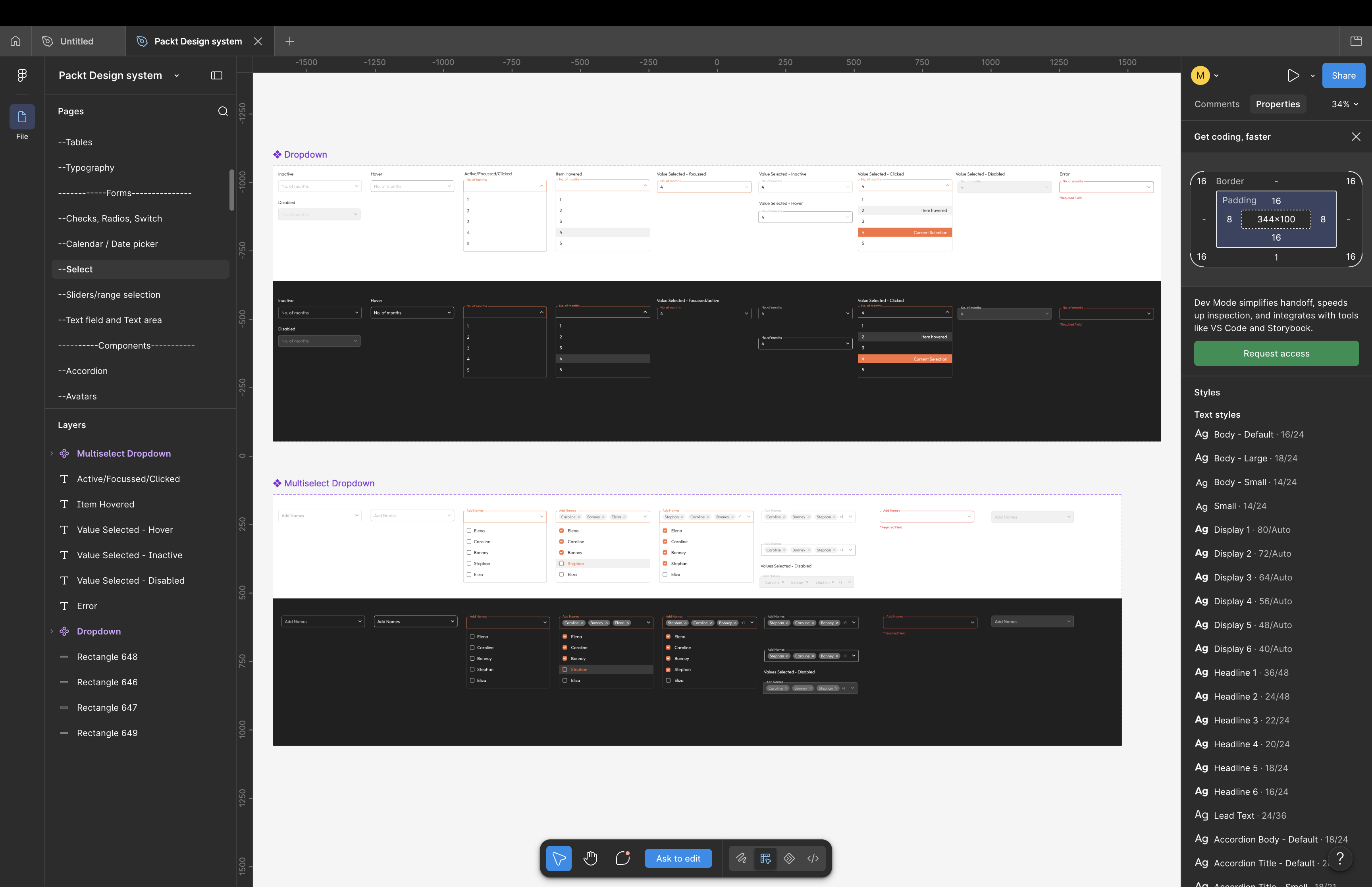
Reusable behaviour, not just reusable styling.
The library defined controls across variants, states and content conditions so repeated product behaviour could be designed and implemented consistently.
Responsive application
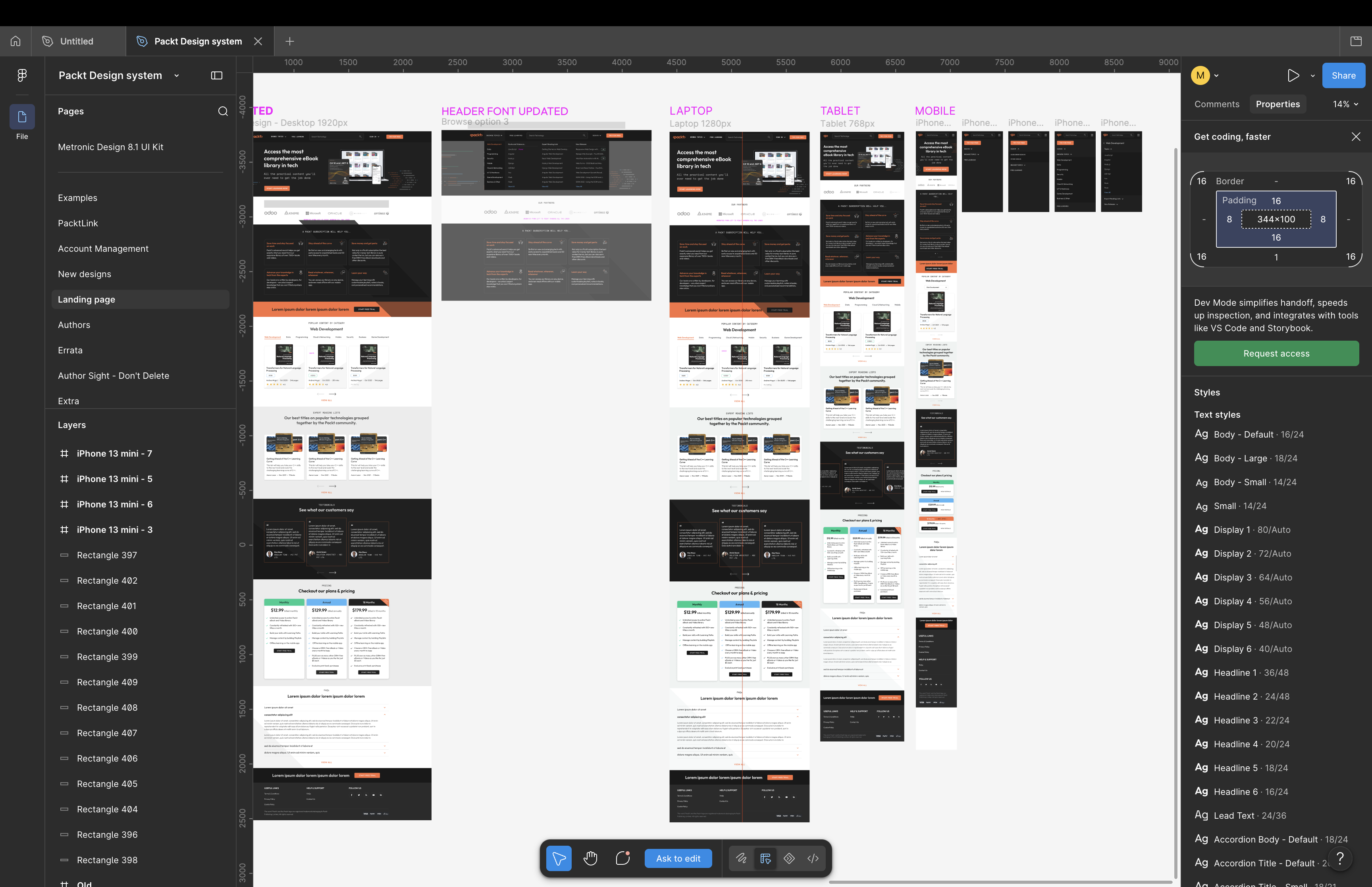
One system across changing viewport constraints.
The foundations and components were tested as compositions rather than isolated objects, including layouts across desktop, laptop, tablet and mobile widths.
Documentation and implementation
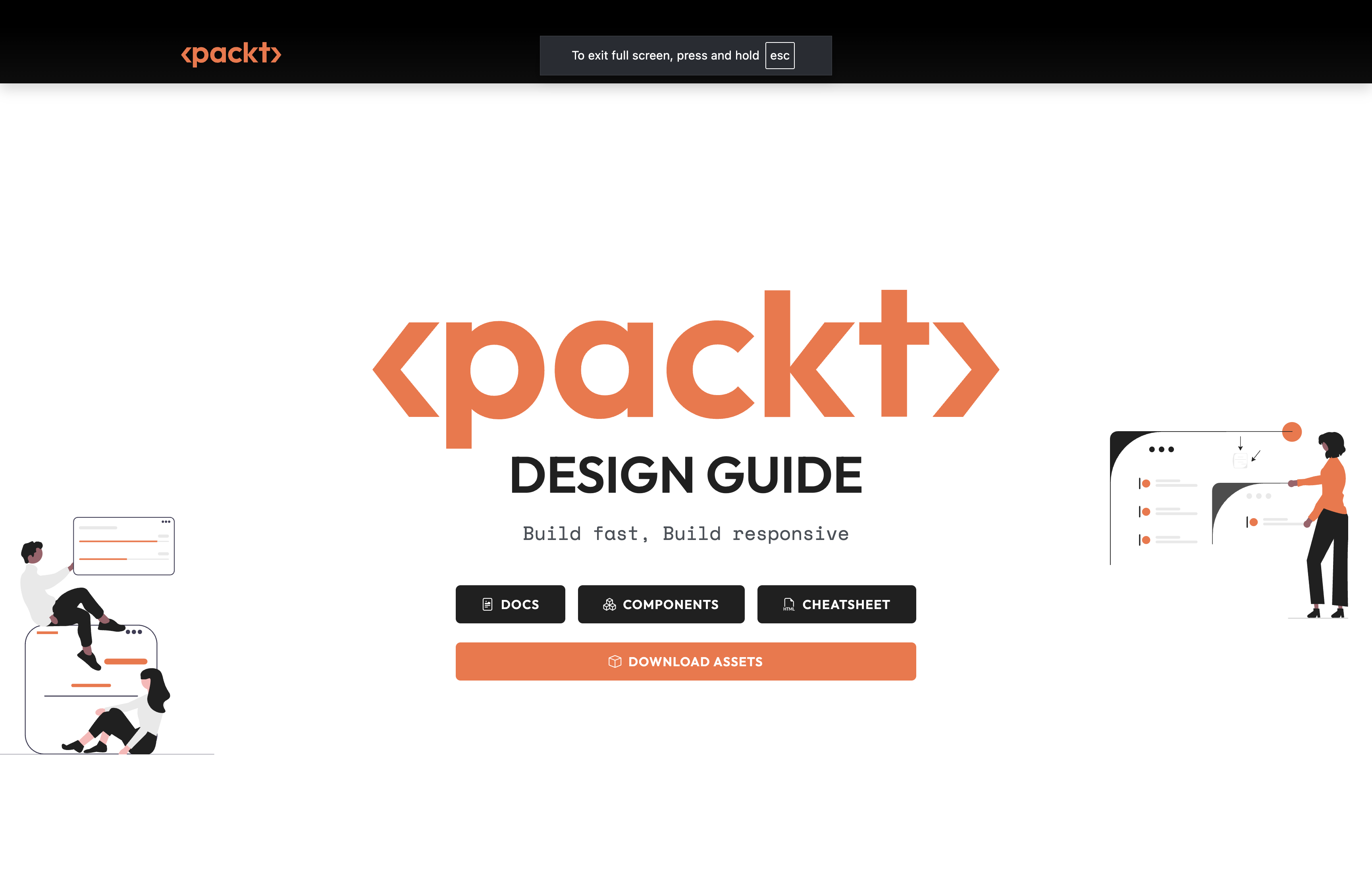
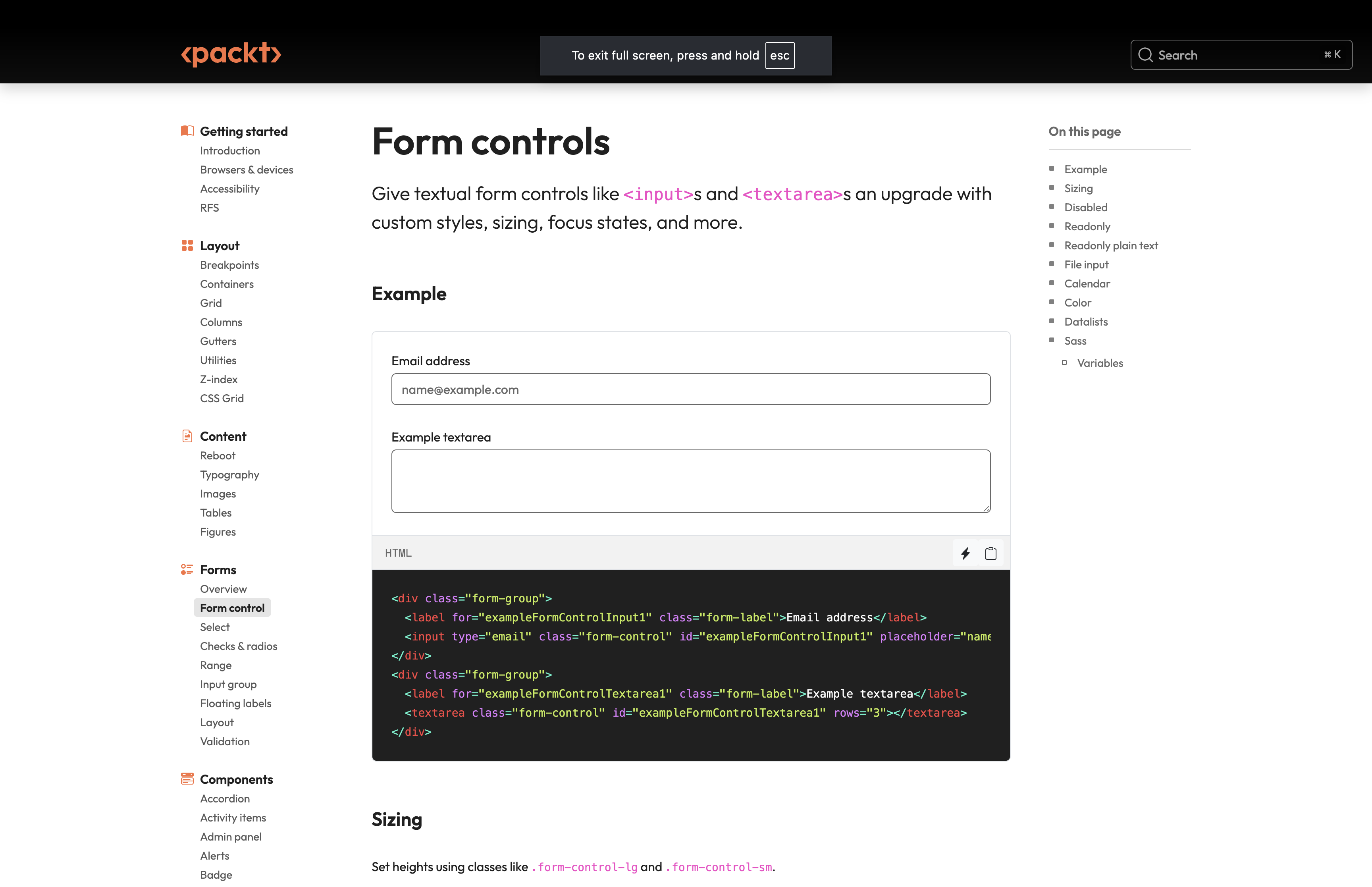
The system ended in usable guidance and code.
The developer guide connected the visual system to implementation guidance, component examples and production HTML so design intent could survive handover.
Design decisions
What held the system together.
- 01 Build a reusable product foundation
Treat the work as a system for future applications rather than a one-off interface.
- 02 Connect guidance to behaviour
Link design tokens, component behaviour and developer guidance so decisions survive handover.
- 03 Make quality structural
Use responsive and accessible patterns as system requirements rather than later refinements.
Delivery trace
Designed, documented and implemented.
- Design foundations and reusable component logic
- Design tokens and CSS variables
- Responsive templates and application patterns
- Developer documentation and usage guidance
- Production-ready HTML and CSS
Evidence boundary
A delivered foundation, without invented performance claims.
The system, components, documentation and implementation were delivered. Measured adoption and productivity gains were not supplied, so no quantified improvement is claimed.
Independent perspective
The system was understood as more than interface design.
The third-party evidence speaks directly to the breadth visible in the work: foundations, reusable components, responsive patterns, documentation and production-ready code.
“What impressed me most about Michael was how far beyond the interface he thought. During his time working with us at Packt, he built the system from the ground up, including foundation tokens, a full component library, responsive patterns, and developer documentation with production-ready code. On top of all that, he's genuinely great to work with.”
Next case study
FleetWave / Enterprise Fleet Management Platform
Need a system that survives delivery?
Tell me what needs to become more consistent, reusable or implementation-ready.
Start a conversationI usually respond within two working days.