

Independent community / Information design
Dense data. Fast decisions.
A repeatable visual-guide system turning frequent game updates, large rosters and layered progression data into practical references for players.
Inspect the guides- Audience
- Independent player community
- Status
- Ongoing community project
- Role
- Information Designer, Visual Designer & Content Creator
- Scope
- Research, data hierarchy, repeatable guide system and production
Recurring challenge
Every update changed the data. The reading model had to remain stable.
New characters, mechanics and progression systems introduced fresh relationships that players needed to understand quickly.
The guide library therefore needed enough consistency to support recognition while remaining flexible enough for different types and volumes of information.
Guide anatomy
Stable positions reduced the cost of reading each new guide.
Repeated hierarchy gave players familiar anchors for identity, comparison, priority and tactical detail even when the underlying subject changed.
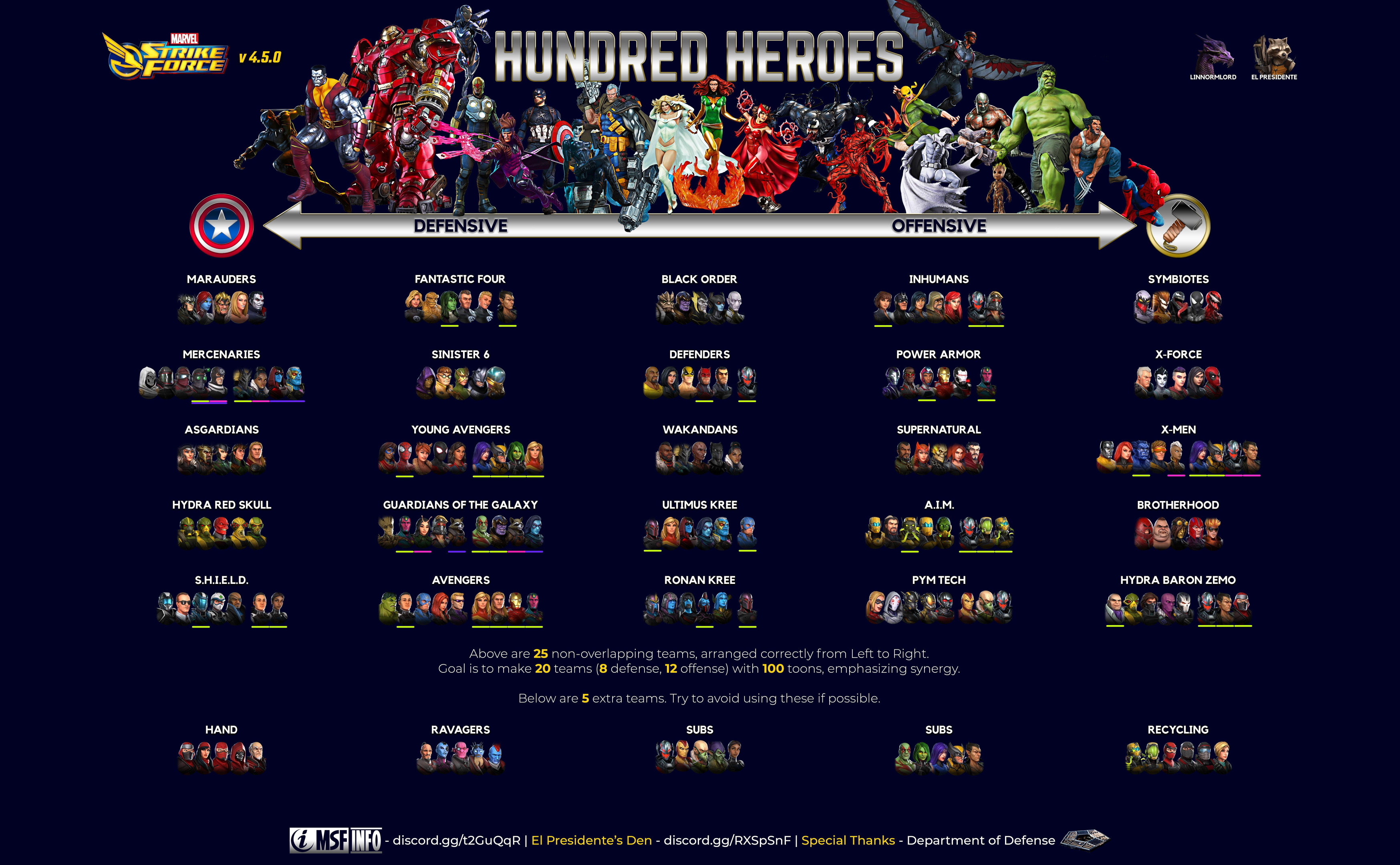
Character and team
Portraits and names established the subject before detailed comparison.
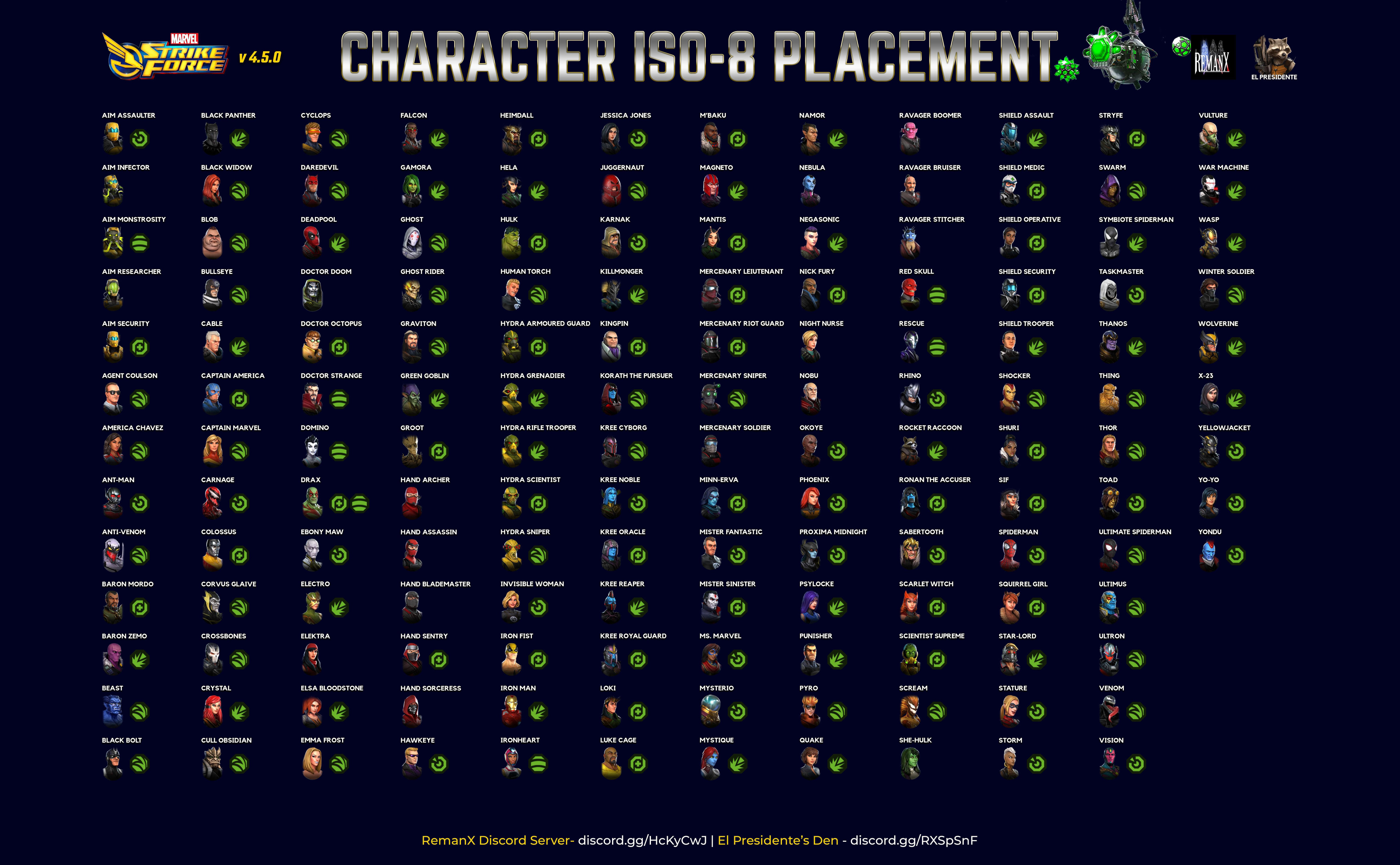
Rank and relationship
Position, grouping and order made priorities easier to scan.
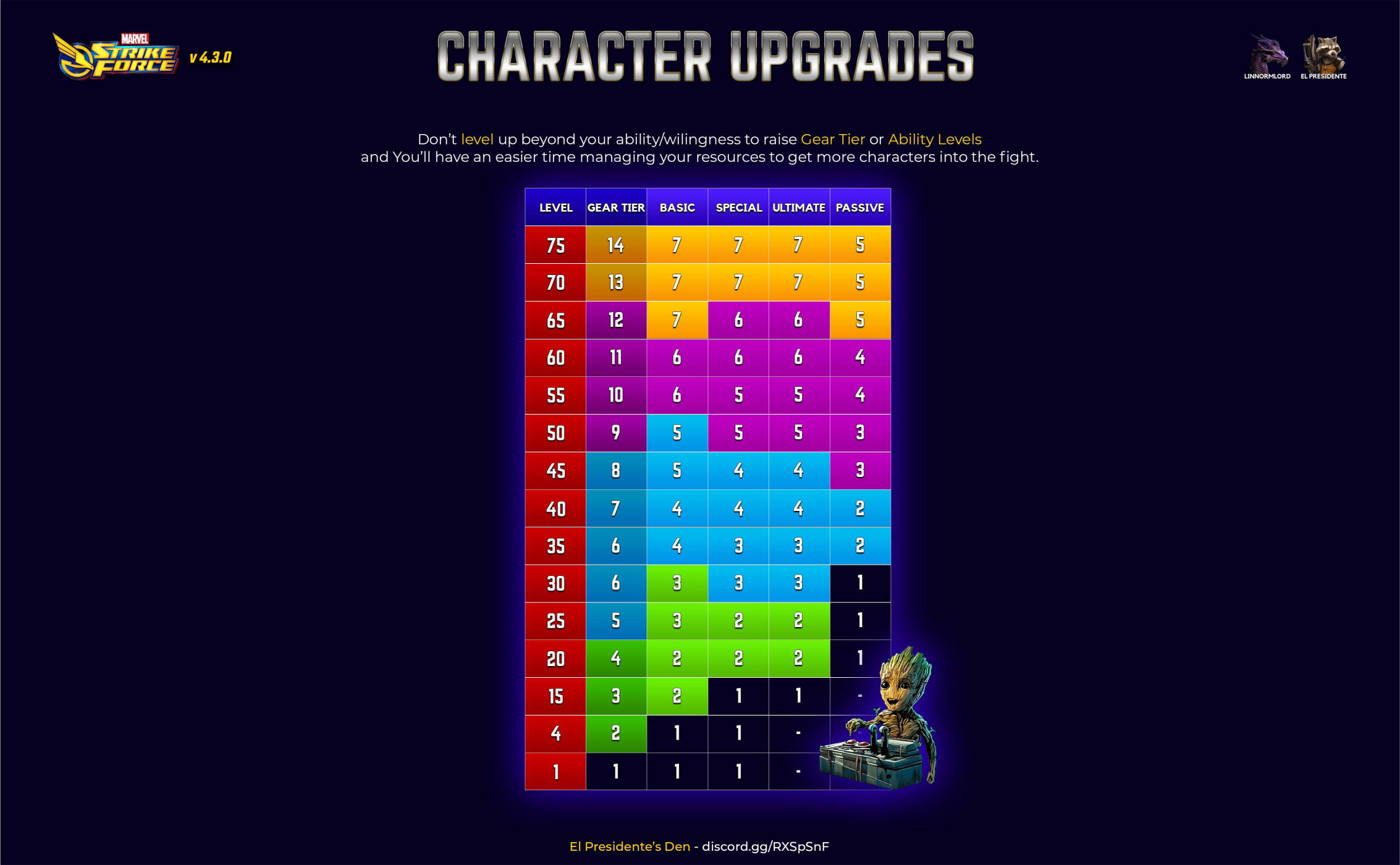
Colour and emphasis
Consistent signals highlighted roles, confidence and upgrade value.
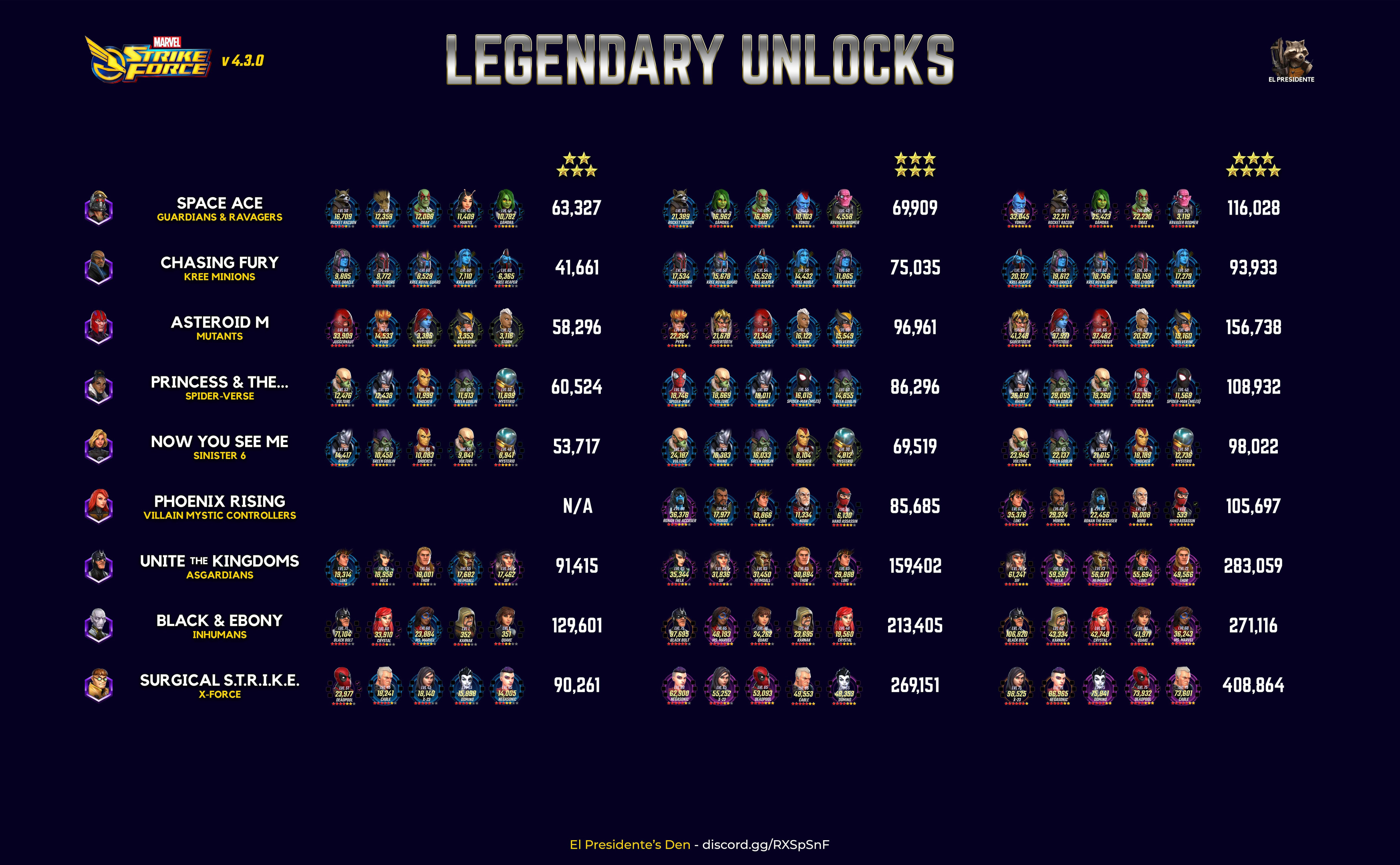
Notes and guidance
Concise supporting text converted information into a usable action.
Information route
Research became a hierarchy before it became a graphic.
Each update was interpreted around the decision players needed to make, then organised into a guide type that could support comparison without flattening important nuance.
- 01 Research Verify characters, mechanics and requirements
- 02 Prioritise Define the decisions and comparisons that matter
- 03 Structure Group data into a stable visual hierarchy
- 04 Publish Produce a high-resolution community reference
Guide library
One visual language supported different decision types.
Guide system in practice
Different decisions. One recognisable reading model.
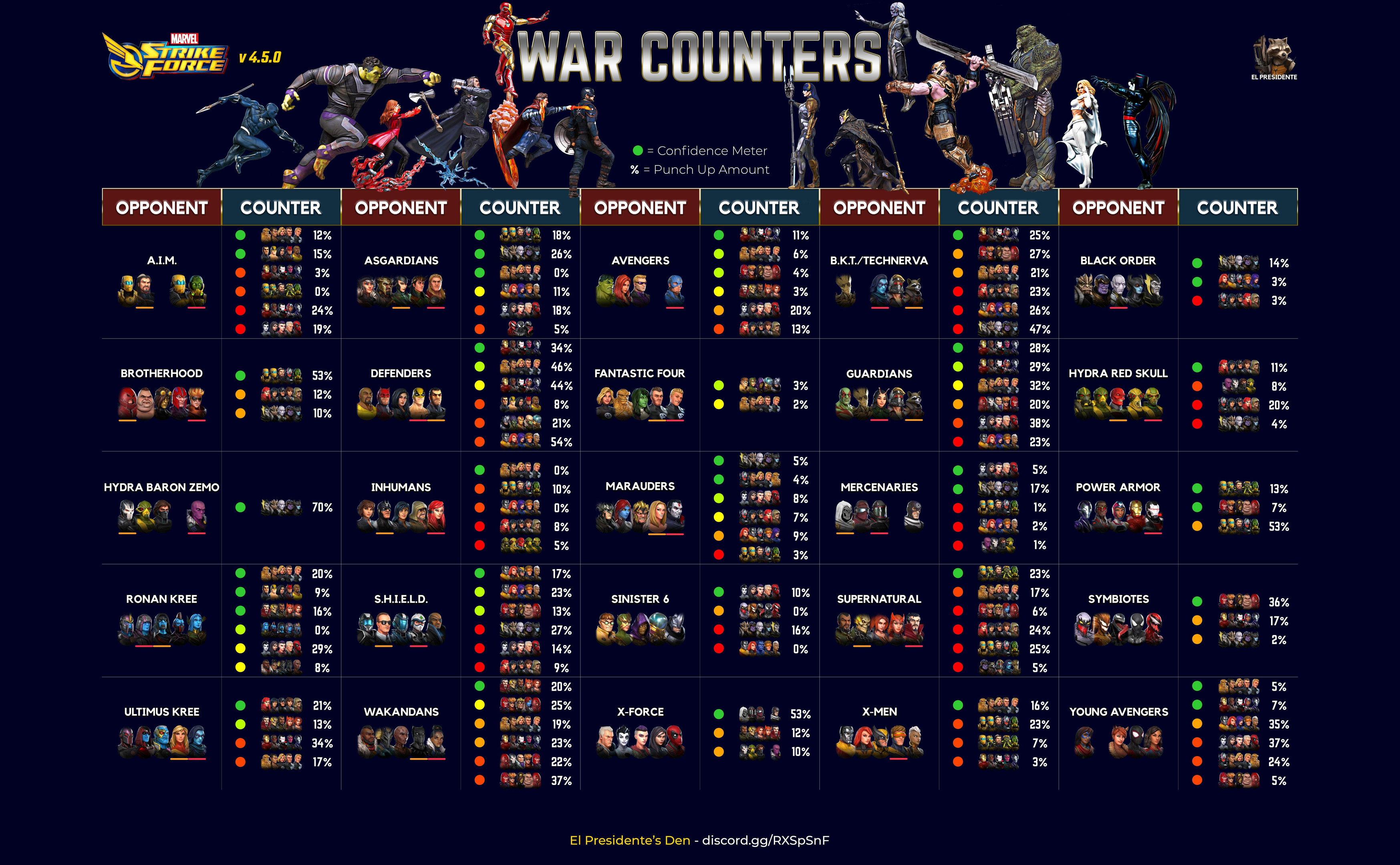
The same visual language supported team composition, roster-wide taxonomy, progression planning and tactical choices while allowing each guide to match the structure of its underlying information.
Decision register
Three decisions protected speed and comprehension.
The work had to remain quick enough to follow recurring releases without allowing production speed to fragment the guide system.
- 01 Design for comparison.
Guide structures prioritised the relationships players needed to inspect rather than decorative presentation.
- 02 Keep recurring data stable.
Repeated information stayed in familiar positions so each new guide became faster to scan.
- 03 Let density remain visible.
Grouping and hierarchy made large data sets manageable without pretending the underlying systems were simple.
Community evidence
A recurring resource for an active player community.
Evidence boundary
The delivered guide library and a community of at least 1,000 members are confirmed.
Wider circulation was observed qualitatively, but a verified wider audience, engagement rate and gameplay outcome were not measured, so none are claimed.
Player perspective
The reading system had to work when the decision was live.
The useful test was whether a player could return to a familiar guide under time pressure and find the call they needed without reconstructing the whole meta themselves.
“The war counter guides specifically have bailed my alliance out more than once during a tough war.”
Read the player’s full comment
I found Michael's guides through an alliance mate and never looked back. Between a full-time dev job and evening raid windows, I don't have the hours to theorycraft every new character drop myself. His Hundred Heroes breakdown and the ISO-8/upgrade guides basically do that thinking for me, and they stay familiar enough that when a new legendary lands I already know where to look for the priority calls. The war counter guides specifically have bailed my alliance out more than once during a tough war. As a free-to-play player who's had strategies broken by a meta shift more than once, having a clear, no-nonsense reference like this is worth more to me than another progression bundle.
Next case study
Portfolio Website Redesign
Need complex information to become usable?
Tell me what people need to compare, which decisions matter and how frequently the information changes.
Start a conversationI usually respond within two working days.